Play the stages that can change your career
For many independent artists, performing at an international music festival is one of the most important steps in developing a career. It is there that you can not only present your work to thousands of new listeners, but also meet managers, bookers, label representatives, concert promoters and media from all over the world.
The good news is that you don't need a deal with a major label to make it into the line-up of a prestigious event. More and more festivals run open calls, allowing independent artists to submit their own applications.
The problem is that hundreds of festivals take place every year, each with different requirements, deadlines and application rules. It's easy to get lost in the flood of information or spend time on events that don't match your musical style or career stage. That's why we've put together this guide. Inside you'll find:
- tips on how to choose the festivals best suited to your music,
- practical advice to improve the odds of a successful application,
- an explanation of how showcase festivals differ from traditional music events,
- information on participation costs and application deadlines,
- and an up-to-date list of international festivals with open calls for 2026.
Whether you play indie, rock, metal, electronica, jazz, hip-hop or alternative music - the right festival can open the door to further gigs, collaborations and new markets.
Why play international festivals?
Playing an international festival is much more than just another gig. For many independent artists, these events become a turning point - they help you win your first foreign fans, catch the industry's attention and open the way to further shows.
Unlike standard club shows, festivals bring the audience, the media and music-industry representatives together in one place. As a result, one well-prepared performance can achieve what months of self-promotion struggle to.
You reach a new audience
International festivals draw attendees from many countries. Even if most of your listeners currently come from Poland, playing to a foreign audience can be the start of building a fanbase in new markets. This matters especially in the streaming era, when listeners can find your music on the platforms right after the show.
You meet the people who decide on bookings
The biggest events attract club bookers, festival organizers, managers, booking agents, label representatives, journalists, playlist curators and producers. Often the conversations backstage turn out to be more valuable than the gig itself. In the music industry relationships matter enormously, and festivals are one of the best places to build them.
You boost your credibility
A performance at a recognized festival becomes part of your portfolio. You can use it in your EPK, on your website, on social media, in future applications and in media outreach. Every reputable festival you add strengthens the project's credibility.
You learn to perform in front of a big crowd
Festivals are an excellent school of stage experience. Working with a professional tech crew, a tight schedule, limited soundcheck time and playing to a large audience teach you things that are hard to learn at local gigs. That experience pays off on future tours.
You can land more gigs
Many bands treat festivals as a way to sell their next shows. If your set makes a good impression, it often leads to invitations to other festivals, a tour offer, working with a booking agency, a showcase invitation or a partnership with a foreign manager. One well-used festival can bring far more than a one-off performance fee.
Showcase or classic festival? Understand the key difference
This is one of the most overlooked topics, yet one of the most important decisions when planning a live career. Not all festivals share the same goal. Some are run mainly with the audience in mind, while others were created to connect artists with music-industry representatives. Understanding this difference will help you plan your application strategy better.
Showcase festivals
A showcase festival is an event whose main purpose is discovering new artists and presenting them to music-industry professionals. Such events are attended by concert promoters, booking agencies, managers, label representatives, music publishers, media, playlist curators and promoters, among others.
For many bands, a showcase set is an investment in the future, as it can lead to more gigs, collaborations and entry into new markets. Among the most recognized showcase festivals in Europe are ESNS (Netherlands), Reeperbahn Festival (Germany), The Great Escape (UK), Tallinn Music Week (Estonia), WAVES Vienna (Austria) and FOCUS Wales (Wales). If you care about building an international career, these are exactly the events to start with.
Classic music festivals
Classic festivals focus primarily on the audience. Their main goal is to build an attractive concert program and give attendees unforgettable experiences. While you can make valuable contacts there too, the biggest benefit is the chance to present your music to a large number of listeners.
This group includes OFF Festival, Pol'and'Rock Festival, Green Man, Boomtown, Victorious Festival and Joshua Tree Music Festival, among others. These events work great when you want to build brand recognition, win new fans and develop your stage experience.
Which to choose?
There is no single right answer. If you're just starting out in the international market, it's best to combine both types of event. Showcases help you get to know the industry and make contacts, while classic festivals let you reach new listeners and build a community around your music. The most effective strategy is to treat them as complementary parts of your career, not competing options.

How to choose the right music festival?
One of the most common mistakes made by beginner artists is sending the same application to dozens of random festivals. Although it may seem to improve your chances, in practice it usually has the opposite effect. Organizers spot mass-sent applications very quickly, and the artist wastes time preparing submissions for events that were never a good fit in the first place.
A much better strategy is to build a short list of festivals that genuinely match your genre, career stage and professional goals.
Think about what you want to achieve
Before you send your first application, answer a few questions. Are you mainly after new fans, finding a manager, starting to tour abroad, signing a label deal or meeting industry people? The answer will shape which events you choose. If your goal is an international career, showcase festivals may be the better pick. If you want to build recognition and stage experience, it's worth applying to classic music festivals too.
Check who played in previous editions
This is one of the simplest ways to judge whether a festival is right for your project. Look through the line-up from the last two or three years and pay attention to a few things: whether similar genres dominate, whether newcomers play there or only established artists, whether performers from your country appear, whether the event promotes independent music and whether artists at a similar career stage have played. If you can't picture your band alongside most of the acts on the line-up, it's probably not the best choice.
Learn the organizer's requirements
Every festival runs its call by its own rules. Some expect only an application form and a link to your music, others ask for a professional EPK, live recordings, a technical rider, a project description, a promotion plan, listener numbers or social-media statistics. Read the guidelines carefully before you start applying - this way you'll avoid having your submission rejected on formal grounds.
Don't look at prestige alone
It's natural to dream of playing the world's biggest festivals, but smaller events are often a much better choice. There's less competition, organizers more readily back new talent, and the gig itself can bring equally valuable contacts. Sometimes a set at an intimate showcase attended by a few dozen industry people is worth more than a concert before a huge crowd where no one from the industry notices you.
When to apply to festivals?
This question comes up very often, and the answer is: it depends on the type of event. There is no single shared deadline for all festivals, but some recurring patterns can be spotted.
These are rough patterns, not a strict rule - many European summer festivals open their calls as early as the previous autumn, and the most recognized events often close applications as much as 6-10 months before the festival. That's why it's worth building your own application calendar and checking organizers' websites regularly.
How much does taking part in a festival cost?
This is one of the most frequently asked questions among independent artists. The answer may surprise you - there is no single cooperation model. Every festival sets its own terms for performers. Most often you'll come across one of four scenarios.
1. The organizer covers all costs
The most comfortable situation. The festival provides a fee, accommodation, transport or travel reimbursement, local transport and meals. Such terms are most often offered by larger events or publicly funded festivals.
2. The organizer provides accommodation and meals
A very common model for showcases. The artist arranges their own transport, while the organizer covers the on-site stay.
3. The organizer provides only the chance to perform
Some festivals pay no fee and don't reimburse travel. In return, they offer the chance to play in front of an audience and industry representatives. Although this may seem unfavorable at first glance, for many young bands such a gig is an investment in their career.
4. The festival charges an application fee
Most open calls are free, but some events charge a small fee to review your application. This doesn't automatically mean the festival is less worthwhile. The key is to read the rules carefully and make sure the organizer is trustworthy.
How to improve your chances of being selected?
Good music is essential, but on its own it's not enough. Organizers receive hundreds, sometimes thousands of applications. In practice, the decision often comes down to how professionally the whole project is put together. Below are the elements that have the biggest impact on how an application is judged.
1. Prepare a professional EPK
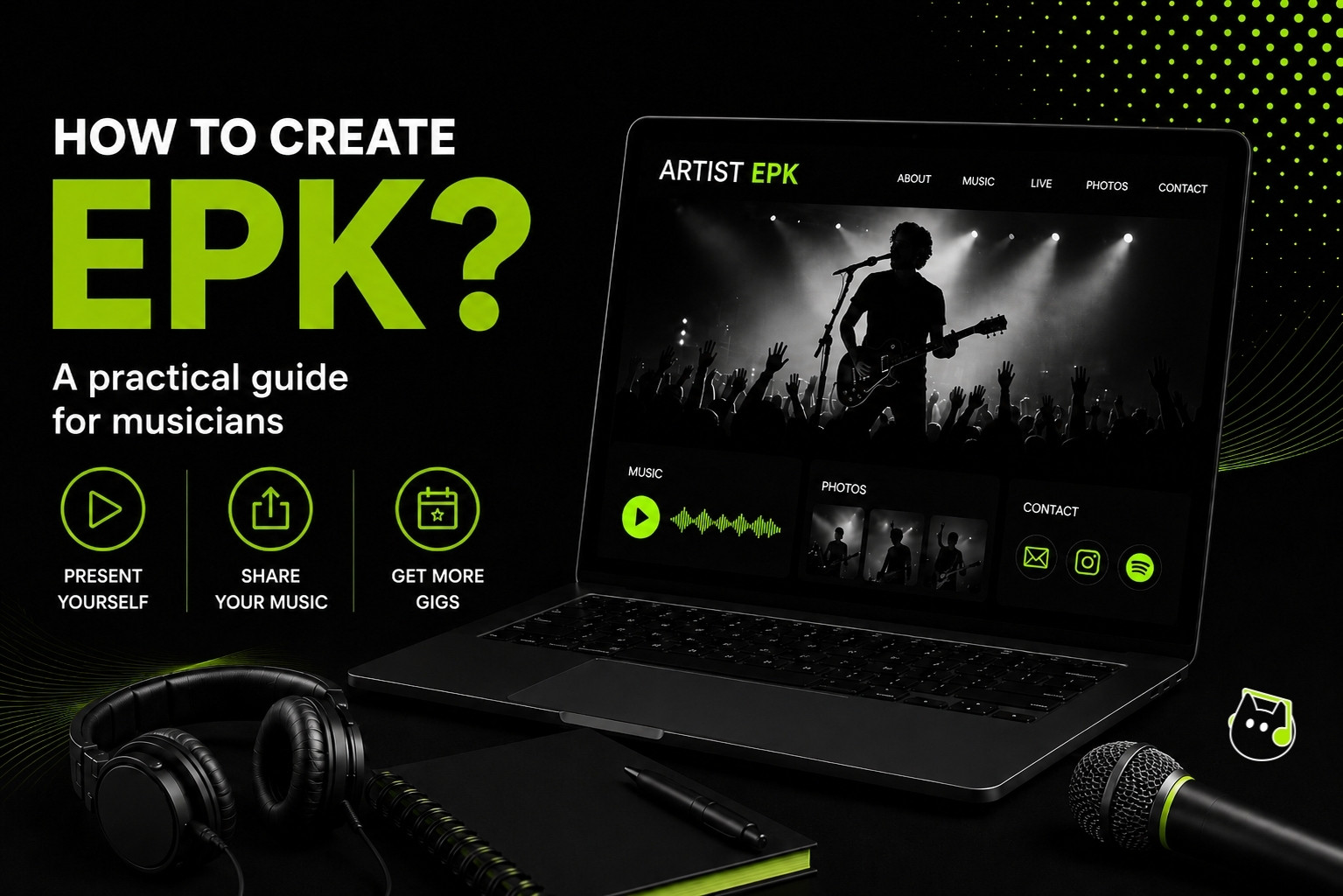
An Electronic Press Kit (EPK) is an artist's digital business card. It's very often where the organizer starts assessing an application. A good EPK should include a short, up-to-date bio, professional press photos, links to your music, live recordings, music videos, key achievements and contact details. The faster the organizer finds all the information they need, the more likely they are to spend more time getting to know your work.
See also: How to create a professional EPK?
2. Get professional music distribution
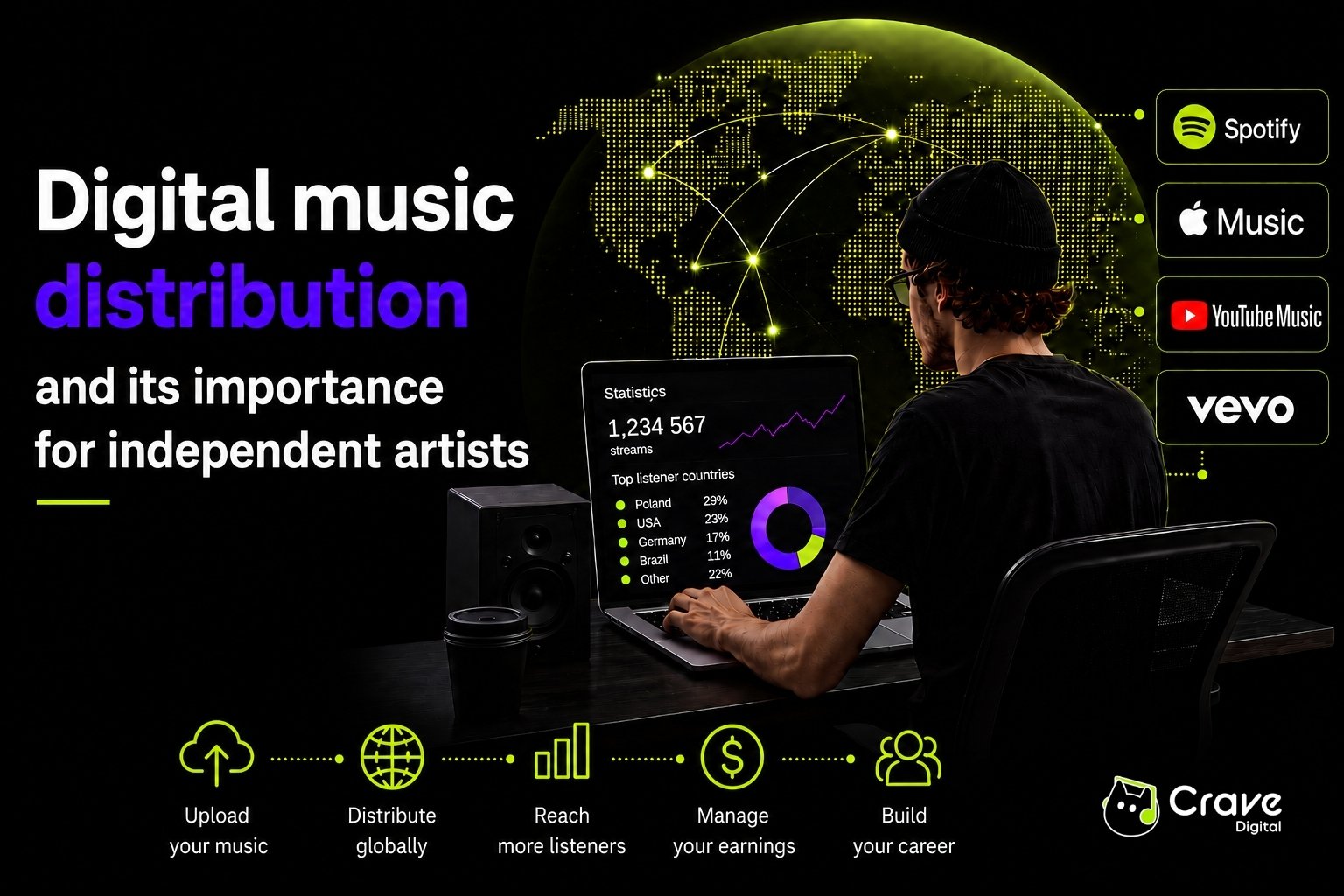
Organizers very often check artists' profiles on streaming platforms before even listening to the submitted material. Being present on services like Spotify, Apple Music, YouTube Music, Deezer or Tidal boosts the project's credibility and makes it easier for listeners to find your music after the show. It's also a signal that you take your work seriously.
3. Show how you sound live
Studio recordings show the quality of your songs. Live recordings show whether you can win over a crowd - for organizers that's a huge difference. If you don't have professional live material, it's worth investing in a good recording from a gig or live session. It doesn't have to be expensive - good sound quality and genuine energy matter more than a flashy edit.
4. Personalize every application
This is one of the simplest things that can significantly improve an application's success. Instead of sending an identical description to every organizer, show that you know the event. You can mention why this particular festival caught your interest, which artists from previous editions you feel a musical kinship with and why you think your music fits the program. It's not about a long essay - a few well-written sentences are often enough to stand out from hundreds of identical submissions.
5. Build an active community
Follower count isn't what matters most, but organizers do pay attention to an artist's activity. Posting regularly, engaging with fans and promoting your gigs show that you can involve an audience. You don't need hundreds of thousands of followers - community engagement matters far more than the numbers alone.
6. Keep gigging
Every gig helps you grow. The more you perform, the better you handle the stage, the faster you react to the unexpected and the more confidence you build. All of this shows during a performance - and the live show is exactly what organizers judge most closely.
The most common mistakes when applying to festivals
Even a very good project can be rejected because of simple mistakes that are easy to avoid. The most common problems are sending identical applications to every festival, not having an up-to-date EPK, outdated music links, poor-quality live recordings, applying to events that don't match your genre, failing to meet the organizer's requirements, submitting after the deadline, missing contact details and unprofessional communication with the organizer.
Remember that organizers judge not only the music but also what it's like to work with the artist. Professional preparation, punctuality and good communication often make just as good an impression as the music itself.
Current list of international festivals with open calls - 2026
Every year hundreds of music festivals around the world run open calls for artists. Some are aimed at emerging performers, others look for bands with live experience or a specific track record. Participation terms vary by organizer - some events provide a fee, accommodation and travel reimbursement, while others offer only the chance to perform and promote the project.
So before you submit, always check the closing date of the call, the required materials, the eligibility rules, the accommodation and transport information and any application fees.
The key showcase festivals worth knowing
If you're planning to grow your career beyond Poland, these are the events to start with.
2026 music festival database
Below is the full, searchable database of festivals with open calls. Use the search box and filters to narrow the results by region or application month. Remember, this is a starting point - always verify dates and terms with the organizer.
How to prepare once you're selected?
Getting the news that you've been selected is just the beginning. A few weeks before the festival it's worth preparing all the materials the organizer might need. Above all, make sure you have an up-to-date technical rider, stage plot, band-member list, press materials, promo photos, the project logo, social-media graphics, an EPK link and contact details. The better prepared your project is, the easier it will be to work with the organizer.
What to do during the festival?
Many artists focus solely on the gig. That's a mistake - festivals are also a place to build relationships. So it's worth taking part in panels and workshops, talking to other artists, getting to know organizers, going to other acts' shows, swapping contacts and actively posting on social media. Very often it's the conversations off stage that lead to the next gigs.
What to do after the festival ends?
This is a stage many artists skip entirely - yet it's exactly when the real networking begins. Once you're back, it's worth thanking the organizers, posting a recap of the event, tagging the festival on social media, messaging the people you met and staying in touch with your new partners. One short thank-you can be the start of a years-long collaboration.
Frequently asked questions
Summary
International music festivals are one of the best opportunities to develop an independent artist's career. They let you reach a new audience, gain stage experience and make contacts that often lead to further gigs, collaborations or deals.
But success is rarely down to chance. The best odds go to artists who plan their strategy deliberately: they choose festivals that match their style, prepare professional promo materials and consistently grow their presence in the music market. A well-prepared EPK, an active gig schedule and availability on the major streaming platforms let organizers quickly get to know your work and assess the project's potential.
Treat the festival list in this article as a starting point for planning the months ahead. Follow open calls regularly, keep your materials updated and don't be discouraged by the odd rejection - many bands make it to their dream festivals only after several attempts.
Ready for your first international festival?
Before you send your next application, make sure your music is professionally ready for promotion. With Crave Digital you can release your music on the major streaming services, prepare professional promo materials and build a solid foundation for a live career - both in Poland and abroad.